CKT 10Start
Find where your requests go quiet, this week.
Run the free Test Kit with your own phone and inbox, or book 30 minutes with Mike.
You run service calls and commercial bids from one office. When a crew is on a roof and the office phone rings, the request lands on whoever picks up. We set up the office side so each one reaches a named person, and AI drafts only what your people check.
We work on the office side only. Your licensed people do the electrical work.

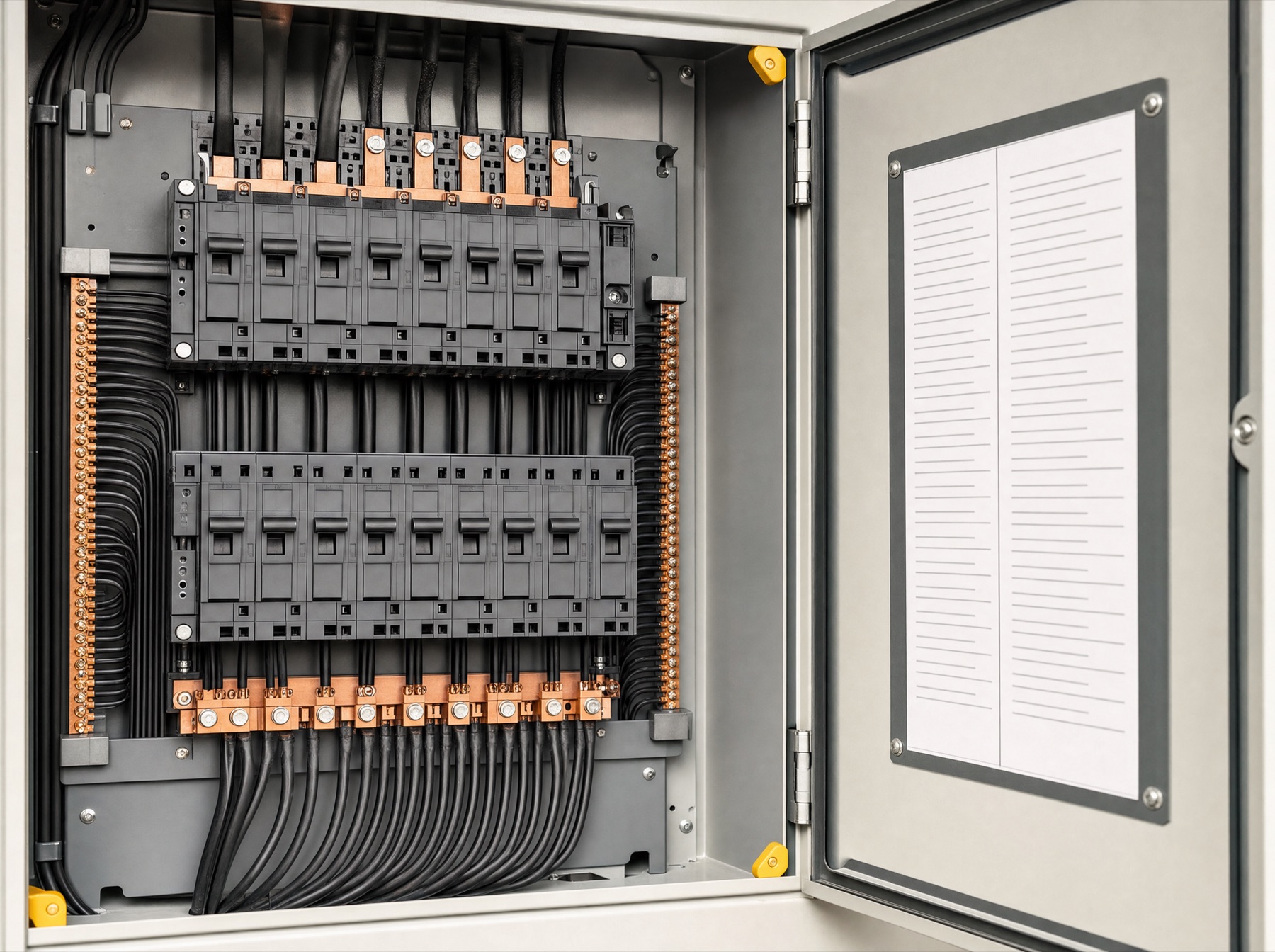
Electrical contractors already run panels to a schedule and label every circuit. Requests, estimates and handoffs rarely get the same care.
A homeowner or facility manager calls while the crew is busy. The message sits in a voicemail box or a shared inbox nobody owns.
Plans and addenda arrive by email and portal. Nobody is named to decide bid or pass, so the due date arrives first.
The estimator knows what was promised. The foreman finds out on site. The scope note is in a text thread.
You already spend on trucks, ads, plan rooms and relationships to get the phone to ring. The loss is quiet: no one decides, no one follows up, and the job goes to whoever called back first.
The caller tries the next name on the list.
A good-fit project passes because nobody was named to decide.
The crew arrives without the detail the estimator agreed to.
Mike Rodgers runs Rodgers Intelligence Group in Denver. He reviews one workflow at a time, names who owns each step, and builds only what you agree to in writing. RIG is not an electrician and never touches the electrical work.

Every call, form and text lands in one place with a named owner and a backup, inside the software you already run.
Calls that come in while the crew is busy or the office is closed get answered, captured and routed to the person on call.
A written review of one workflow, bid invite to award or estimate to field, across up to three systems, before you pay for any build.
AI set up for one person's daily work on plans, specs and RFIs, with rules for what it may touch.
Twelve checks you run yourself with your own phone and inbox to find where requests go quiet.
Describe the request that worries you most. You leave with the next step, in writing.
| Item | Intake Build | AI answering | One-Workflow Review | Pro AI Packages |
|---|---|---|---|---|
| Named owner and backup per request | Yes | Yes | Mapped | No |
| Calls answered when the crew is busy | Routed | Yes | No | No |
| Bid invite to award walked step by step | No | No | Yes | No |
| Works inside the software you already run | Yes | Yes | Yes | Yes |
| AI drafts, a person approves | Yes | Yes | Recommended | Yes |
| Written acceptance checks before build | Yes | Yes | Yes | Yes |
| Estimator sets every price | Yes | Yes | Yes | Yes |
| Handover notes you own | Yes | Yes | Written plan | Yes |
| Price | Scoped after a short brief | Scoped after a short brief | Scoped after a short brief | Scoped after a short brief |
Pit stop rule: nothing goes live until your reviewer signs the check sheet.
New logins for the office, a migration project, and the same question of who answers the phone when the crew is busy.
We work inside the field service, estimating and email tools you already run, name an owner per step, and hand you the checks.
Run the free Test Kit with your own phone and inbox, or book 30 minutes with Mike.
No. RIG is not an electrician and does not perform installation or repair. We work on how requests, estimates and information move through your office.
No. We start with the field service, estimating and email tools you already use.
No. Your estimator sets every price. AI can draft a follow-up or a summary, and a named person approves it.
Both. Service firms usually start with intake and answering. Bid-heavy firms usually start with the One-Workflow Review.
The Test Kit and the first call are free. Builds are scoped after a short brief.